

Is the future almost here?
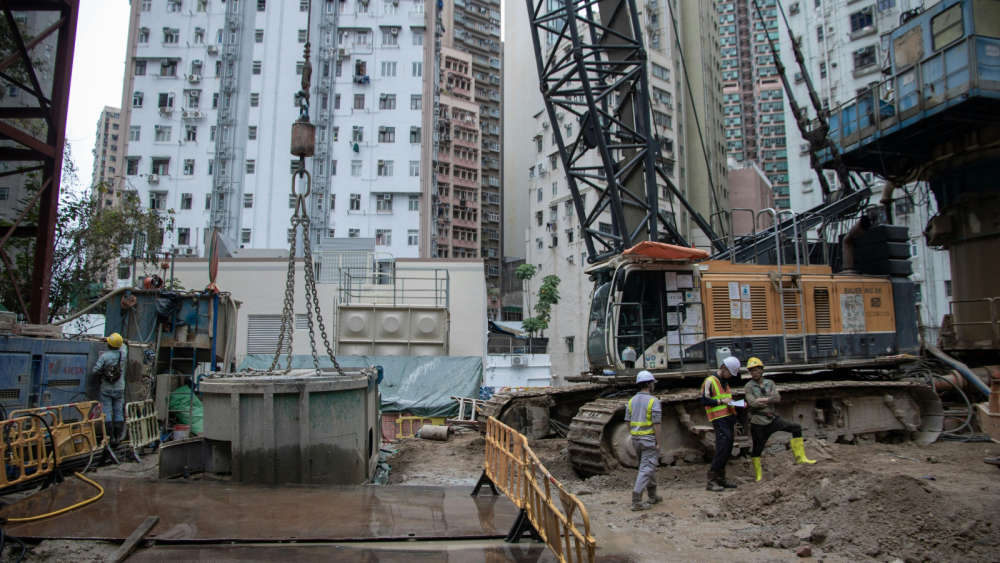
We previously looked at the impact the aerospace industry had on construction. But since that analysis, technology has been developing massively. In the last few months, there have been breakthroughs in artificial intelligence and robotics. How those might come to impact the construction industry remains to be seen.
However, there is one concept that feels as if it is from a sci-fi movie, that could genuinely be heading to sites in the not-too-distant future. We’re talking about exoskeletons, high-tech protective equipment that might change the game for good.
What Are Exoskeletons?
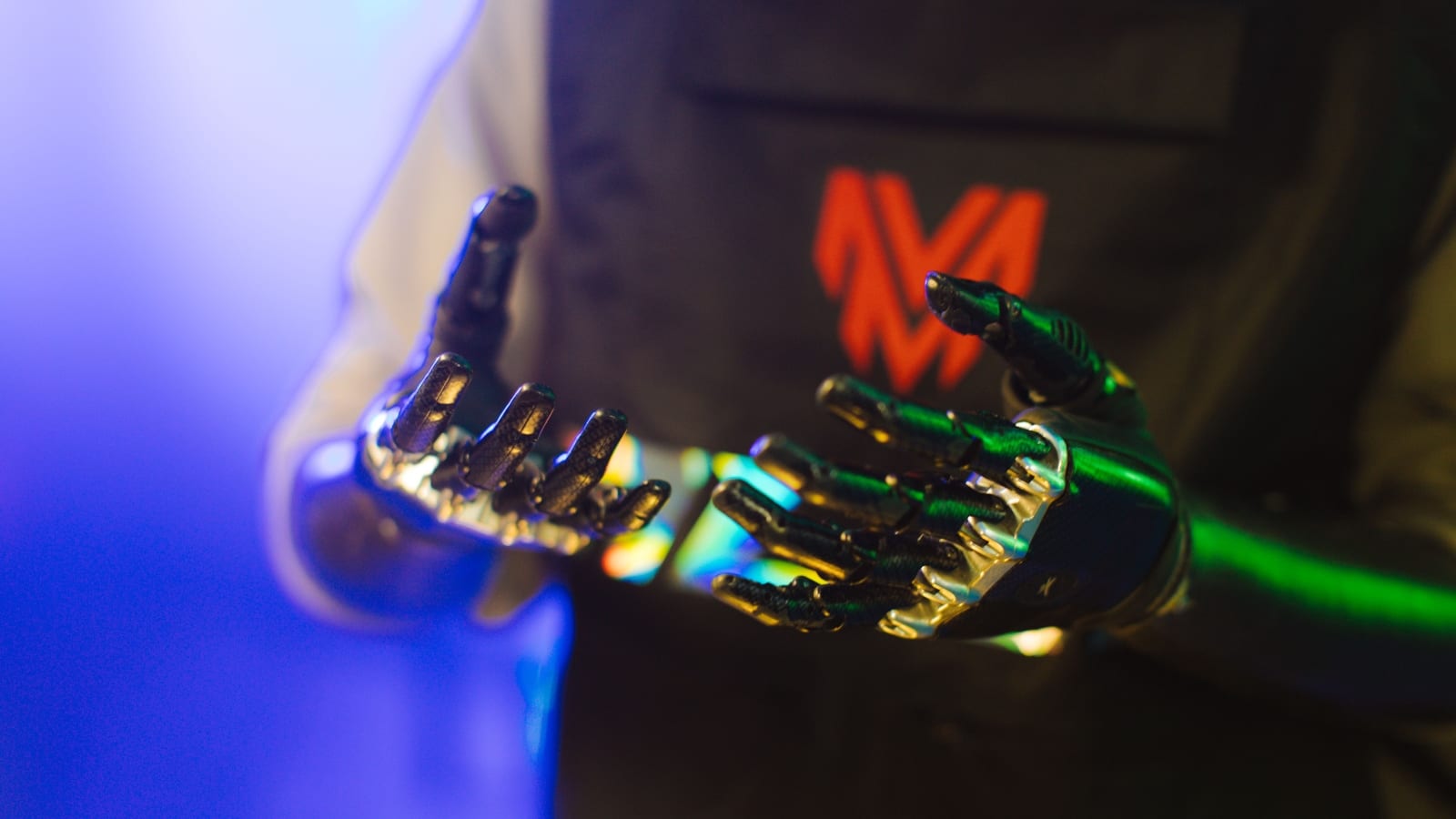
The term exoskeleton has been used before, but it’s hard to think of this wearable technology without assuming it's something from a Tom Cruise blockbuster flick. In truth, the reality isn’t as far away as you think. An exoskeleton is an external robotic structure that the user wears to protect them and give them additional strength.
It’s adaptable and can attach to specific parts of the body. It can also be made out of a variety of materials, including rigid carbon fibre and metal frames, or something more malleable with flexible, elastic textiles. The purpose of these exoskeletons was initially with rehabilitation and injury support in mind, but they have been repurposed across multiple industries including the military and you guessed it… construction!
Impact On Site
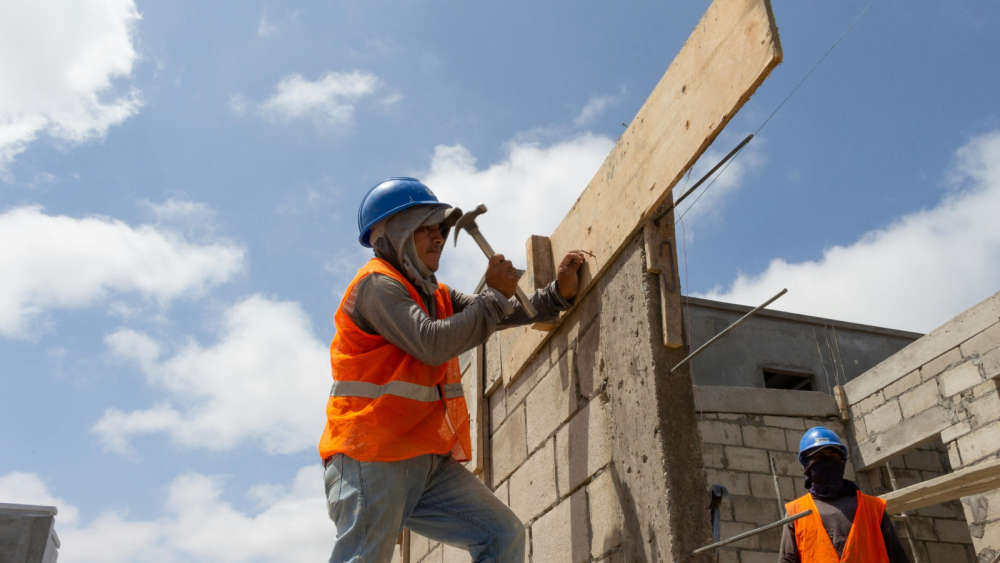
Companies like SUITX by Ottobock have been breaking new ground in the exoskeleton field, trying to bring costs down and accessibility up. The reality of this technology is that it is very expensive, with proper full-body exoskeletons costing up to £100,000 per unit. But that is also dependent on whether you are purchasing a passive or active model.
There are active, powered partial exoskeletons on the market for around £6,000, though, with the availability of these models becoming more widespread. Supporting repetitive tasks like plastering or lifting heavy items, it is estimated that these models could reduce stress on the body and injuries. Perhaps that will give labourers more years in the field while making the whole process more efficient.
Exoskeletons have felt like the future for so long that it seems strange that this reality could be here already. However, for those who want to embrace these changes, it would appear that the process is becoming more advanced and affordable every year.


 Which City Has The Most Beer Halls?
 Which Countries Have The Most F1 Tracks?
 What El Niño Means For The Construction Industry
 The Traitors Construction Secret Producers Don’t Want You To Know
 Did You Know Bake Off Doesn't Always Film In A Tent?



Comments
Add a comment