

‘Prioritise heat pump installation over insulation work’ – UK report argues
Posted: Wednesday, January 10th, 2024
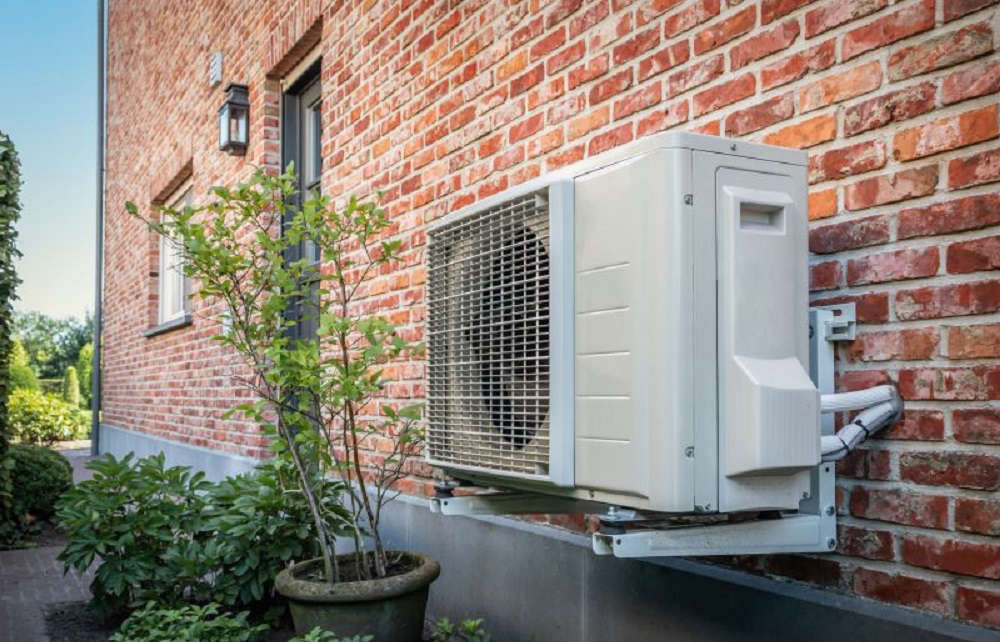
Insulation improvements in UK homes will be an important means to cut energy – but should not be a prerequisite for heat pump installations, innovation charity Nesta says, H&V News reported. A new report from the charity has set out recommendations for a “pragmatic” strategy that it claimed would encourage the installation of low-carbon heating systems along with a simultaneous commitment to improve domestic energy efficiency. Nesta said its findings rejected claims that the existing UK housing stock needs to be better insulated before starting to fit heat pumps. The charity added: “Insulating homes is generally a good thing – it saves energy, makes homes healthier and more comfortable, can ease pressure on the electricity grid – but it is not essential for switching homes to heat pumps. If the aim is to reduce carbon emissions as quickly as possible with a limited budget, then adopting heat pumps typically provides greater carbon savings per pound spent than insulation measures.” The findings noted that insulation and efficiency improvements in homes was less important that ensuring effective system design and correctly sizing radiators for the heating needs of a property. It said: “While insulation plays an important role in reducing heat demand, and can in some cases make heat pumps operate more efficiently, it is not the key factor in heat pump efficiency. Instead, having a well-designed heating system, with correctly sized heat emitters which enable a lower flow temperature, is the most important factor behind a heat pump’s efficiency.” One of the main aims for the new research is to try and understand the level of insulation improvements needed nationally in homes to ensure the most significant reductions in carbon provided from heat. The research concluded that heat pump installations had the most significant impact on cutting building emissions – albeit for a much higher upfront cost at present. Insulation was highlighted as having several benefits to transforming homes and helping create more comfortable and healthier indoor environments in the country’s drive to net zero buildings. These benefits also included the potential to reduce energy demand and cut demand pressures on the electricity grid, while reducing energy bills in the longer term. However, Nesta argued that the introduction of these materials was not always a cost-effective option. The research stated: “Some insulation measures, such as draught-proofing, loft and cavity wall insulation tend to have lower costs and offer excellent value for money. Other measures, especially solid wall insulation, are often more expensive and do not always justify their cost.”
Trending Stories
-
 Being a plumber, electrician and gardener is the best way to stop AI taking your job
If you want to avoid artificial intelligence taking over your job in the future, learn a trade
-
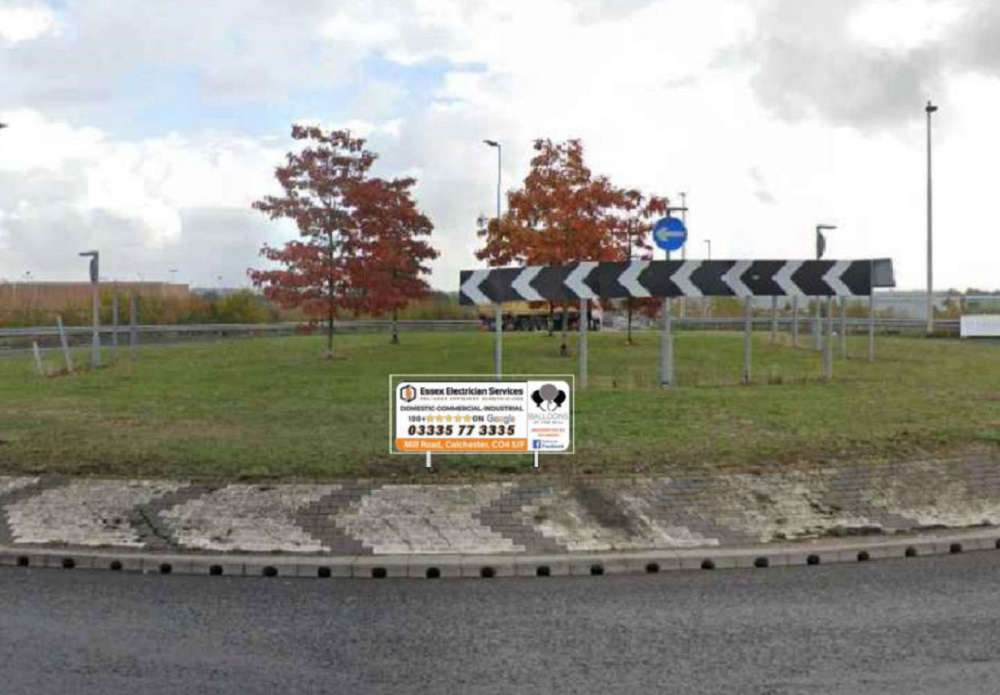 Essex electrician has roundabout signs rejected
A sparkie’s bid to sponsor signs on two roundabouts has been refused by planning chiefs who described them as “clutter”
-
 Barbie caused a ‘worldwide’ shortage of pink paint
Barbie needed so much fluorescent pink paint that it caused a worldwide supply shortage for an entire company
-
 Builders find body of man murdered in the 1960s and buried in back garden
A woman who bought a South London house was left horrified after builders discovered the body of a man murdered in the 1960s and buried in her garden 14 months after she moved in
-
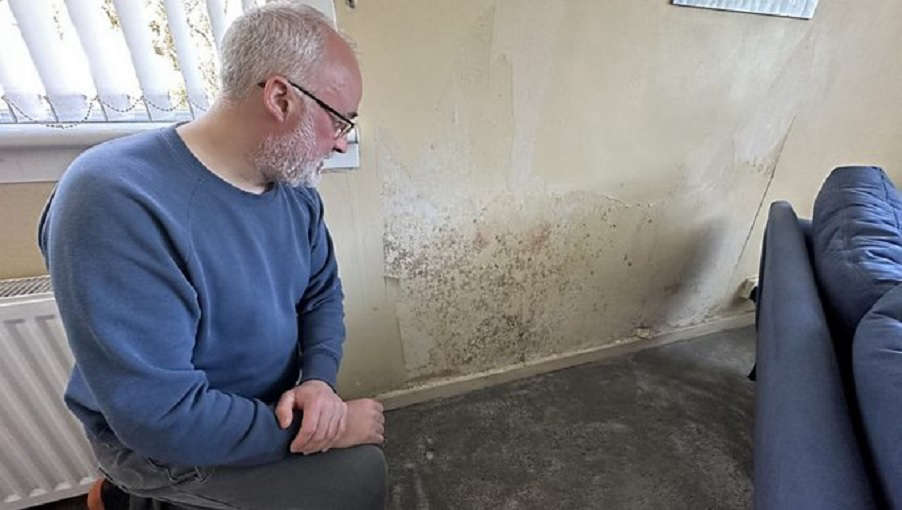 'Government insulation scheme ruined my home'
A home-owner said his flat has been ruined by black mould caused by a government "green" insulation schem
Comments
Add a comment