

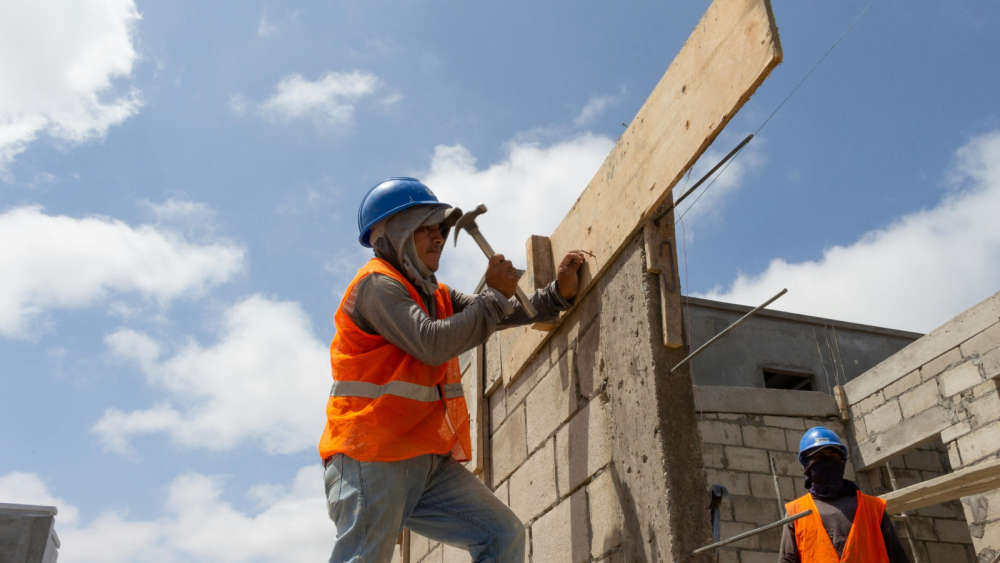
World Health and Safety Day is a time to reflect on the major technological breakthroughs happening.
The 28th of April marks World Health and Safety Day, an important milestone that establishes the effort that has gone into making the workplace a safer space to operate in. It’s a time for businesses and organisations to reflect on how they are applying health and safety standards to their own fields, providing employees with a suitable support system to match.
While many of these practices have evolved over the last decade or so, there are still breakthroughs to be rolled out. Technology is making a major difference in how we approach health and safety and while AI might be the buzzword of the moment, wearable technology is also becoming an increasing area of interest.
These are just a couple of examples of wearable technology that could be entering the world of construction in the future.
AR Hard Hats
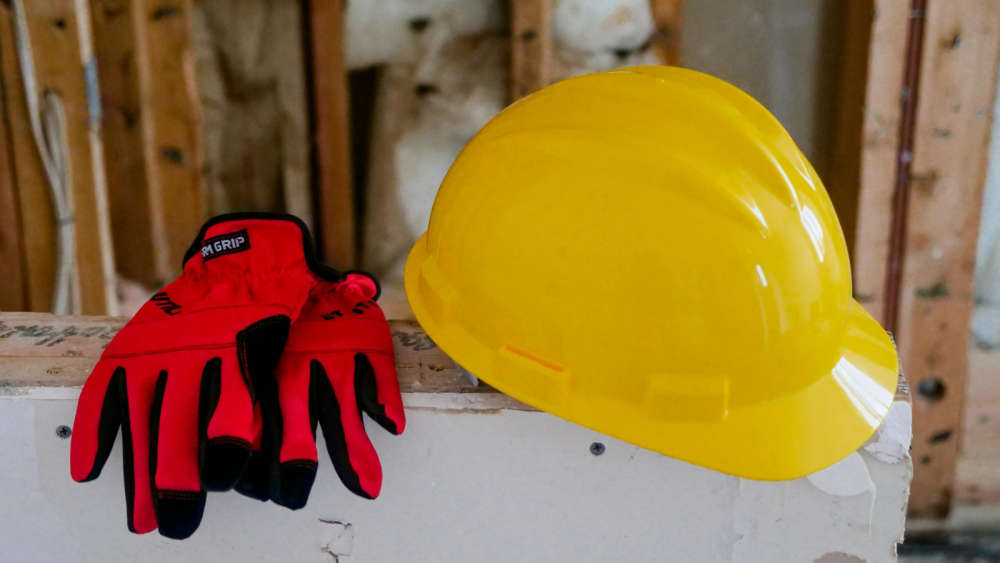
The hard hat has become a staple of the construction site and is one of the most simple and effective ways to keep people safe. Yet, tech experts believe there are methods to make this necessity even more useful.
By utilising Augmented Reality technology, or AR, a hard hat may soon be able to deliver information to you in real time, about the site you’re working on, the problems you’re facing and your own personal vitals. Futuristic though it may seem, these digital displays may soon become common.
Smart Monitoring
Smart wearables are already a part of our daily lives. A smartwatch is a great example. While on site, it can keep track of your vitals and ensure you are in good health as you engage in more physically demanding tasks.
More advanced wearable tech, like smart vests, will soon be able to track a lot more than just your heart rate. It will pin your location on site, monitor any environmental conditions and even send alerts when there’s been an accident. This simple solution can have massive benefits.
Hazard Proximity
These days, hazard proximity alerts are fitted into almost every modern car. They may be annoying at first but have ultimately made it easier to park and carry out complex driving manoeuvres without a collision.
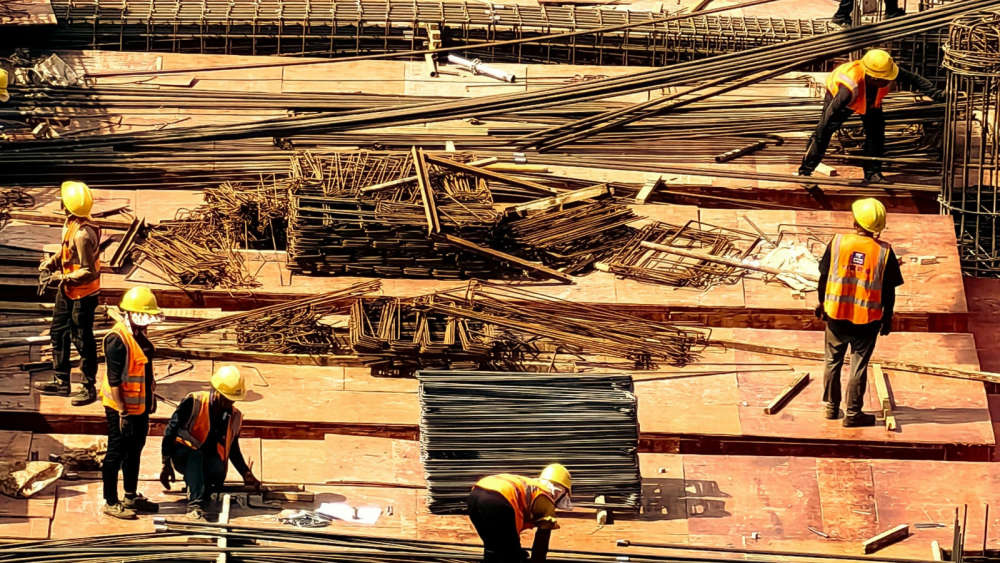
Those kinds of hazard proximity alerts have been discussed as a potential failsafe in the world of construction. Anti-collision tags, for instance, will warn wearers of close-proximity dangers, attempting to avoid collisions. Whether this tech will be a distraction is why further testing is being carried out.
Exosuits
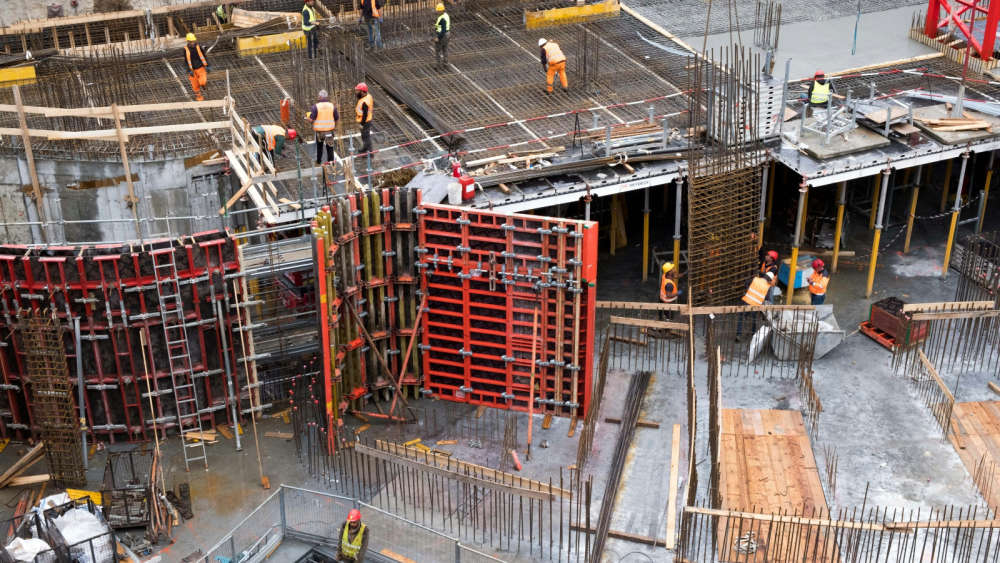
Exoskeletons and exosuits seem more sci-fi than anything that could practically be applied to the world of construction but with breakthroughs taking place due to their practical and military use, some of that technology is beginning to trickle down to the construction space.
Exosuits can support key joints and protect users from the wear and tear of physical labour over a longer period of time. In theory, they should be able to bring longevity to the user’s career, helping to avoid unnecessary strain and eventual injury.
Technology doesn’t always have the answer and there is no telling how quickly these measures could impact the construction space, but it is interesting to see how health and safety is continuing to drive innovation and change.


 What El Niño Means For The Construction Industry
 The Traitors Construction Secret Producers Don’t Want You To Know
 Did You Know Bake Off Doesn't Always Film In A Tent?
 The Cartoon Character Who Worked In Construction
 Traitors Contestants In The Construction Industry





Comments
Add a comment