
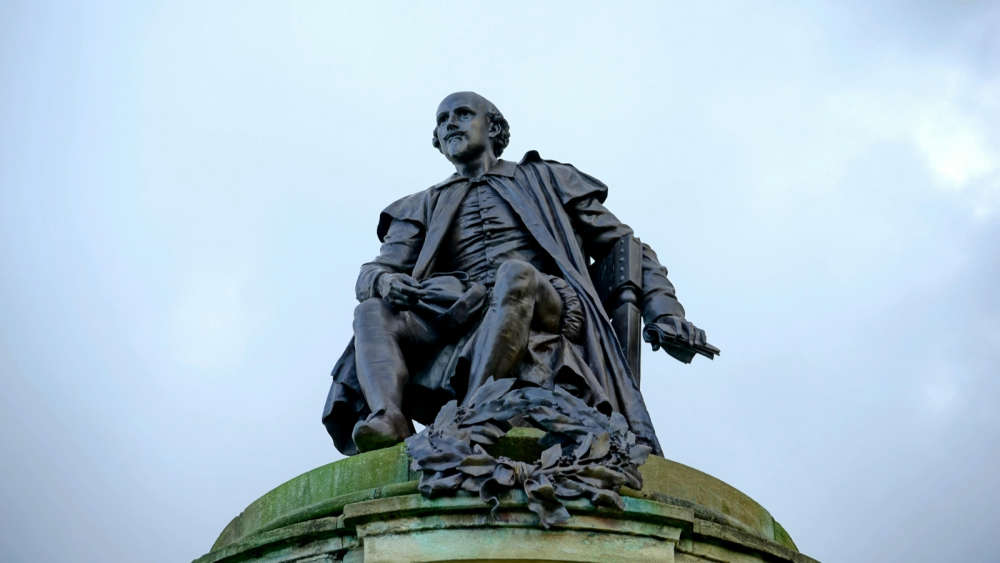
It’s the bard’s birthday and therefore a perfect opportunity to explore the construction of London’s greatest theatre.
462 years on from his birth, Shakespeare is still a lauded playwright. Not only are his scripts performed worldwide, but he also left an undeniable mark on our language, culture and history. April 23rd is Shakespeare’s birthday and critically a chance to celebrate the arts.
The Globe Theatre has to be considered a critical part of Shakespeare's lasting legacy. Located in London, on the South Bank of the River Thames, near the Tate Modern, the theatre that currently stands is not the original from 1599. Instead, it is a reconstruction, built back in 1997.
Rebuilding An Icon
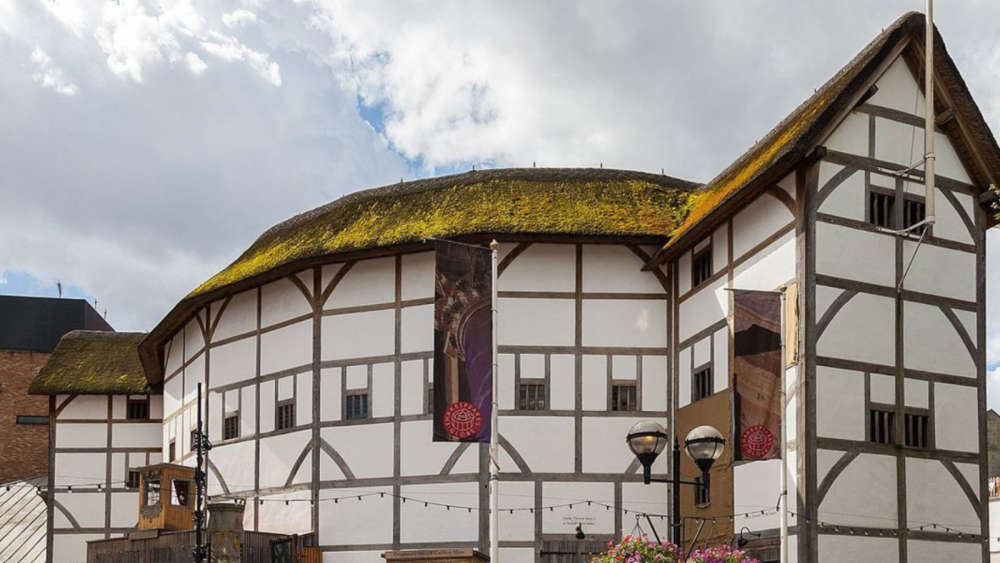
The original Globe was an absolute masterclass in construction, a building designed with a very specific purpose in mind. The 20-sided, 360 degree theatre was one-of-a-kind, with a cannonball run to create thunder, trapdoors to support special effects and an intimate setup that favoured bare scenery and a close-quarters performance style.
The original Globe Theatre went up in flames during a performance of Henry VIII in 1613, due to a cannon-fire mishap. While it was rebuilt a year later, the theatre would eventually be pulled down entirely somewhere between 1644 and 1645.
The reconstruction of the building in 1997 was a laborious task, with the American actor and director Sam Wanamaker working for almost two decades to bring the project to life. Experts and archeologists came together to produce a faithful plan of the original building, with carpenter Peter McCurdy leading the charge on utilising traditional methods to put the Globe back together. 28-foot oak columns, lime plaster and a thatched roof nodded towards those early materials.
A Modern Take
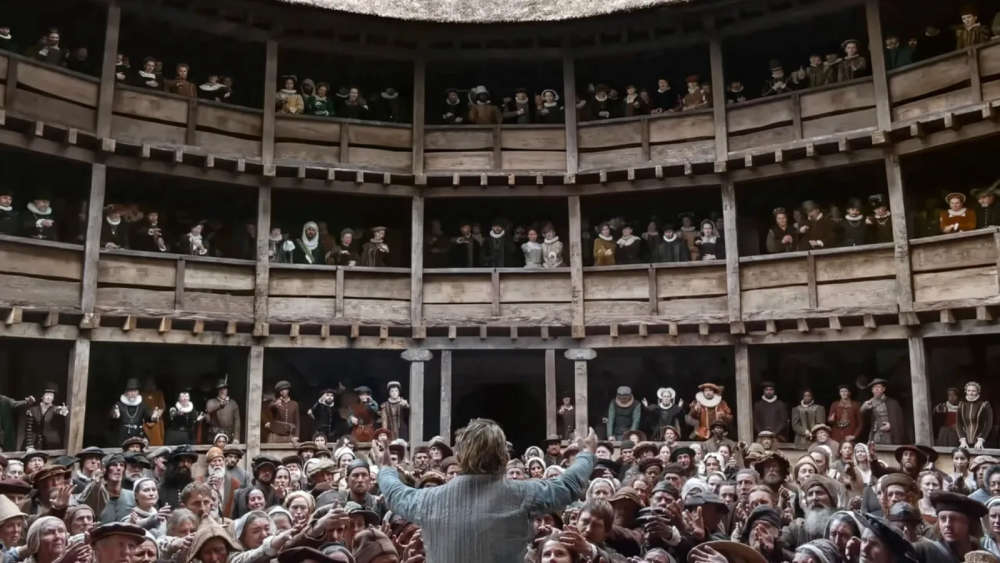
Interestingly, the Globe Theatre has once again been reconstructed in the last few years, this time for the filming of Hamnet. With limitations on what could be filmed at the real Globe Theatre, the production crew created a two-thirds scale replica of the building, across 13 weeks.
With reclaimed oak forming its backbone and a few changes made to support the filming requirements of director Chloé Zhao, this iteration of the Globe was still largely accurate to the original and the later recreation. While the fictitious Globe was taken down after filming, it’s incredible to think that modern tradespeople got the chance to recreate their own version of this iconic Shakespearean space.


 What El Niño Means For The Construction Industry
 The Traitors Construction Secret Producers Don’t Want You To Know
 Did You Know Bake Off Doesn't Always Film In A Tent?
 The Cartoon Character Who Worked In Construction
 Traitors Contestants In The Construction Industry






Comments
Add a comment