

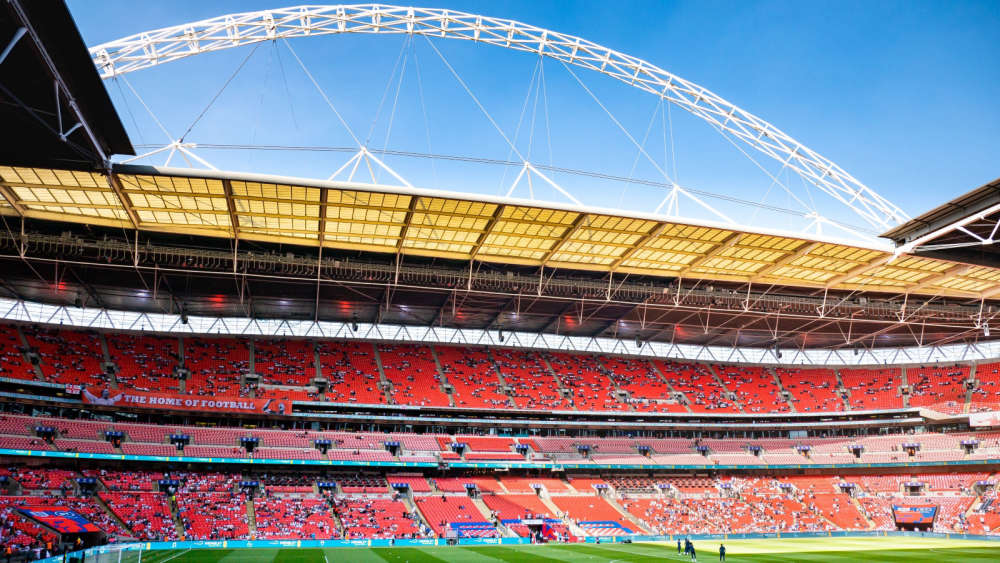
Size, capacity, age… There’s all sorts of ways to judge who comes out on top.
The debate is just kicking off. With World Cup fever in full force, fans are passionately discussing where the best stadiums in the world truly are. While the United States is adapting many of its sporting arenas for the tournament, Europe has plenty of purpose-built grounds perfect for future international competitions.
To decide who really wins, we’re judging both the United States and Europe on a range of factors, seeing who trumps the other and comes out on top. Of course, this being Fix Radio, the quality of the construction is always at the heart of the success of these stadiums.
Which Stadium Has The Highest Capacity?
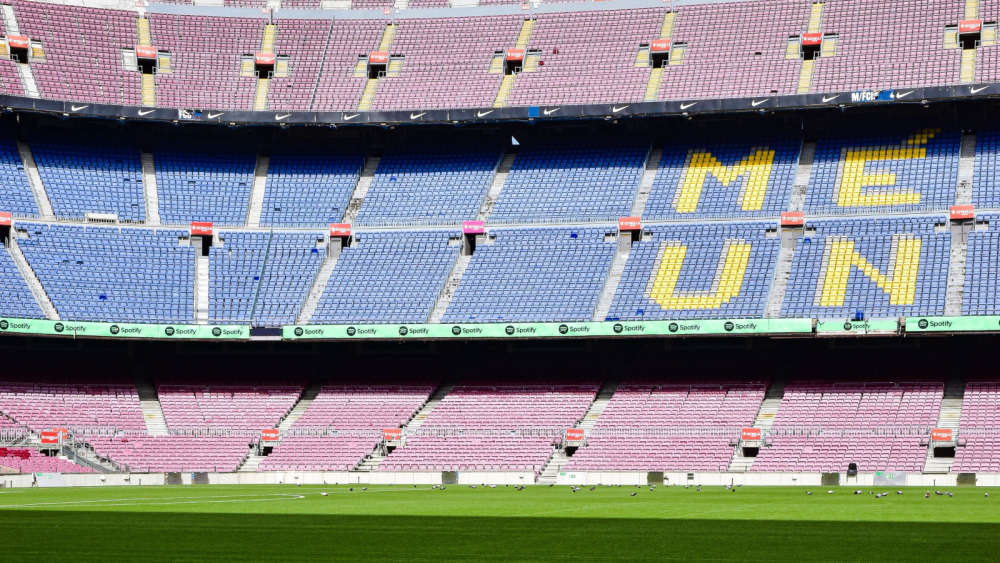
When it comes to capacity, no one goes bigger than the United States. In fact, Bryant–Denny Stadium, Neyland Stadium, Ohio Stadium and even Tiger Stadium are all bigger than anything in Europe. It’s Camp Nou which stands out on the European continent, with FC Barcelona’s home welcoming 99,354 fans.
However, the winner is astoundingly Michigan Stadium in Ann Arbor. With a capacity of 107,601, the impressive structure built in 1972 is known for its sunken bowl design, making it an absolute pioneer.
Who Has The Most Stadiums?

It’s hard to get an exact statistic on how many stadiums the United States and Europe have respectively, considering the parameters for a stadium are constantly changing. For the United States, there are over 900 arenas and stadiums, designed for a much wider array of sports like basketball and baseball.
Europe, on the other hand, has around 250 to 300 sporting arenas and stadiums. This is largely down to the fact that Europe has lots of localised facilities, coupled with a much narrower range of massively popular sports that require those kinds of facilities. Plus, Europe has so many historic cities that there is simply less building room!
Which Stadium Is The Oldest?
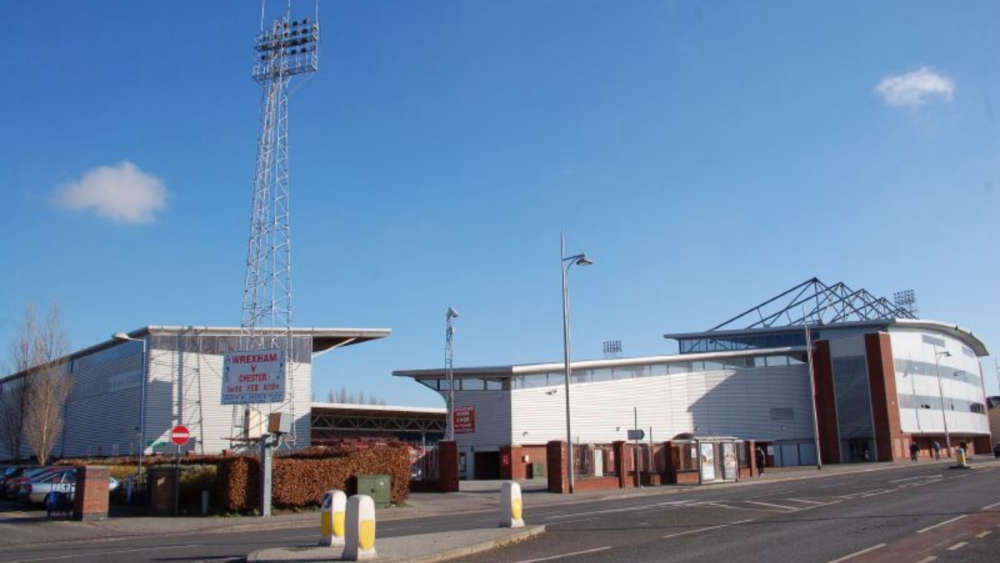
The oldest football ground in the world has been officially recognised as Sandygate in South Yorkshire. Opened in 1804, this historic site has had minor renovations over the years but continues to celebrate a humble design. The Racecourse in Wrexham, meanwhile, is considered to be the oldest stadium still in use. It was opened in 1807 and has featured heavily in Welcome To Wrexham on Disney+, as it undergoes its own renovations.
In the United States, on the other hand, the oldest college football stadium is Franklin Field, which was opened in 1895. It is still active, but is often contrasted with Harvard Stadium, built in 1903, which is a more permanent concrete structure. Either way, Europe has more history here.
Which Stadium Is The Most Sustainable?

Sustainability doesn’t have a specific measure, but there are a number of global stadiums that are standing out for their forward-thinking attitude towards climate change and environmentalism. For the United States, the Mercedes-Benz Stadium in Atlanta is famous for its recycling programme, zero-waste initiative, food donations, urban garden and solar panels. Every part of the 2017 construction is built on positive action.
In Europe, it is Tottenham Hotspur Stadium, completed in 2019, which has often been considered the most sustainable. It is also known for zero-waste production, massive recycling scheme, use of 100% renewable electricity, sustainable transportation and advanced water consumption. In this case, there’s a bit of a draw.
Which Stadium Is The Most Advanced?

When looking at technological advancements in the designs of stadiums, three specific examples always pop up. The first is in the United States. SoFi Stadium in Los Angeles is celebrated for its infinity screen, huge connectivity with an advanced network and digital twin technology that allows for closer control over the stadium’s many features like air quality, temperature and security.
However, Europe contains the other two high-tech stadiums. Both the previously mentioned Spurs stadium and Madrid’s Santiago Bernabéu Stadium are state-of-the-art in their design. Spurs uses a retractable pitch and advanced acoustics to heighten games, while Madrid has a retractable roof, underground greenhouses and a 360-degree halo screen. Europe clearly comes out on top.
Which Stadium Is The Most Iconic?
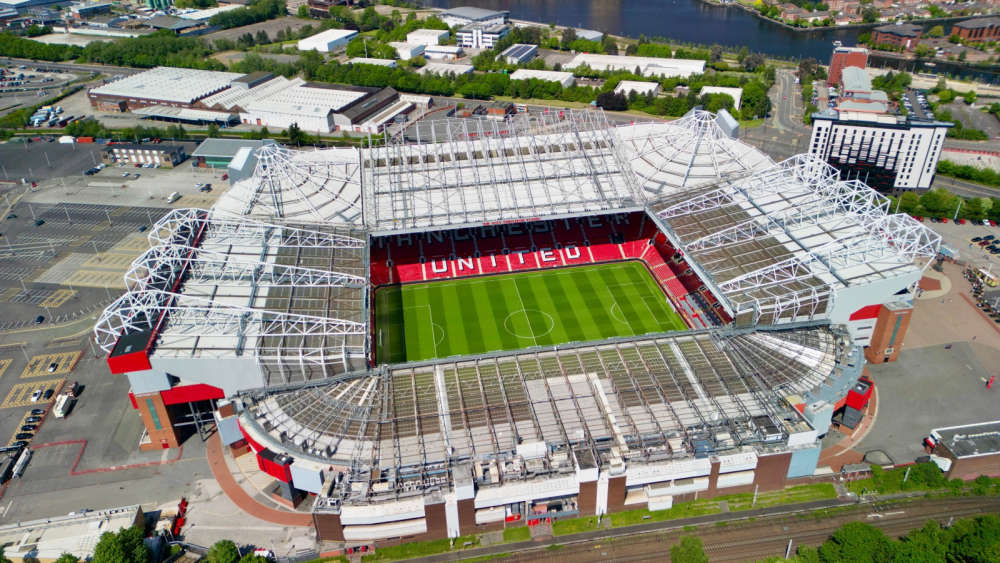
What makes a stadium iconic? It’s the memories made there, the moments that happened and the quality of the design. It’s the feeling that fans get entering those hallowed halls. It’s also a discussion that is hard to have without bias. However, look at any listing of the most iconic stadiums of the world and a couple of names continue to reoccur from both experts and fans alike.
Wembley Stadium in London. Camp Nou in Barcelona. Santiago Bernabéu in Madrid. Old Trafford Stadium in Manchester. San Siro Stadium in Milan. The list goes on. It seems rarely do United States venues make the cut and that may be because their sports are more region-specific. Football is the biggest sport in the world and while Old Yankee Stadium, Old Boston Garden and even Madison Square Garden are iconic, none have had a global impact like those in Europe.
Who Wins?

To declare a victor, the obvious has to be stated. Some might argue that the criteria chosen benefit one place over the other. That perhaps it’s unfair to compare a continent to a nation. Regardless, the United States has 2 wins and a draw. Europe has 3 wins and a draw, meaning it is taking the crown. Either way, for now, we’re all going to have to get used to US stadiums taking the spotlight.


 Where Is The Traitors’ Castle?
 Everything We Know So Far About The UK’s Universal Theme Park
 Was This Famous British Author The Innovator Of The ‘Man Cave?’
 How Many Construction Roles Has Jason Statham Taken On?
 What's Happening To Britain's Breweries?












Comments
Add a comment