


There are top stadiums awaiting candidate selection.
The World Cup is heading towards its conclusion, and while England’s tournament may have ended in disappointment, there is always the next competition to hold out hope for. The 2030 World Cup will be held across six nations in total, with three host countries and three specially selected centenary match destinations.
The tournament will be largely held in Europe, with Spain and Portugal as two of the host countries and the African nation of Morocco acting as the third. Meanwhile, the three centenarian host nations are located in South America and consist of Argentina, Paraguay and Uruguay.
With a few major stadiums in the running to play host to these matches, we’re looking at the construction stats behind the most prominent potential choices.
Estadio Monumental: Centenary Host - Argentina
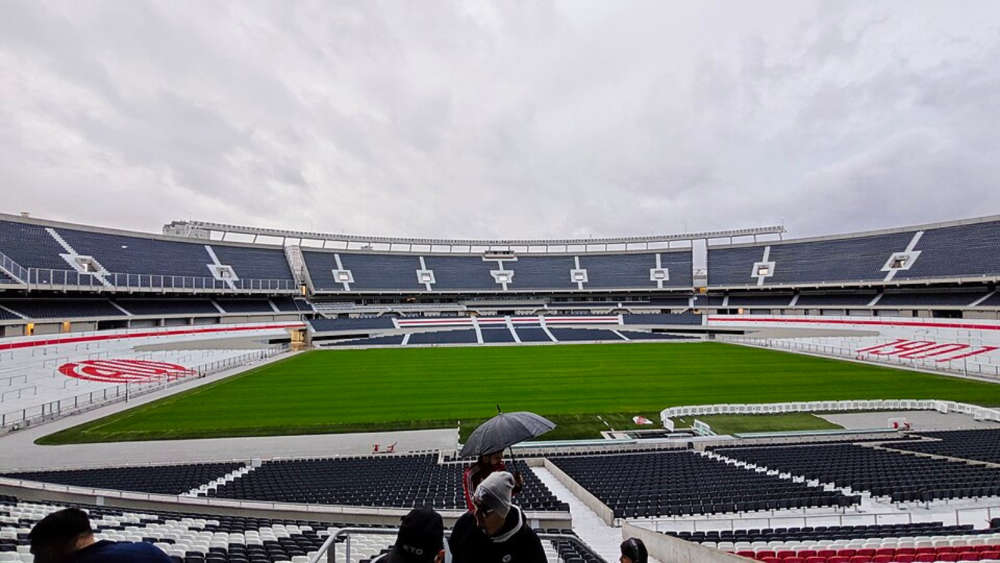
With a capacity of 85,018, Estadio Monumental in Buenos Aires is the home of the Argentinian national team. Built in 1935 for roughly $3 million, the stadium is now going through a $100+ million renovation to increase its capacity by 16,000. A brand-new metal-and-glass canopy reflects one of the most complex elements of the construction.
Bernabéu: Tournament Host - Spain
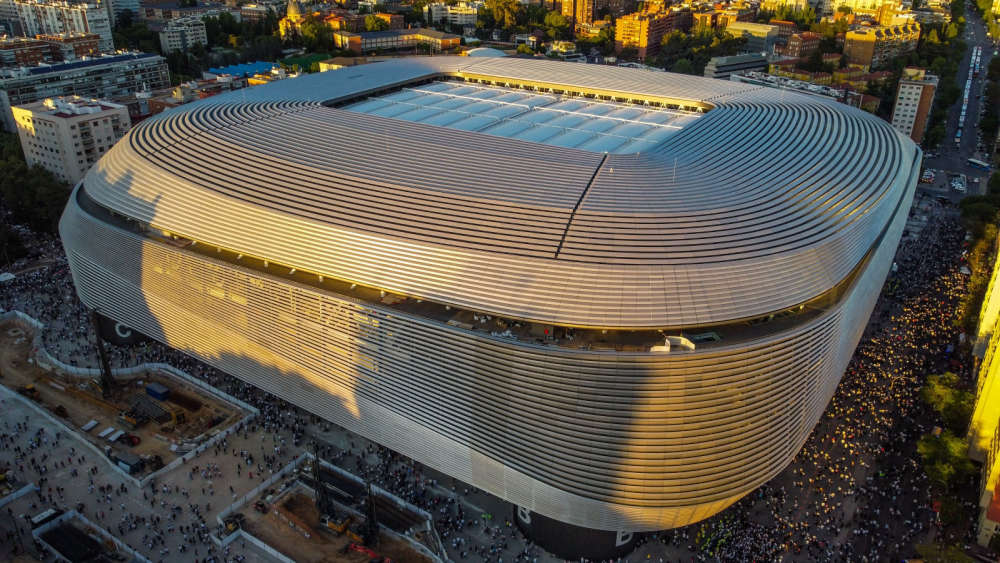
Located in Madrid, the Bernabéu was built between 1944 and 1947 and cost around €1.76 billion to complete. With a capacity of 83,186, the build is known for its impressive roof system, stainless steel and slat exterior that boasts projection-mapped visuals, and a complex retractable pitch.
Estadio Osvaldo Domínguez Dibb: Centenary Host - Paraguay
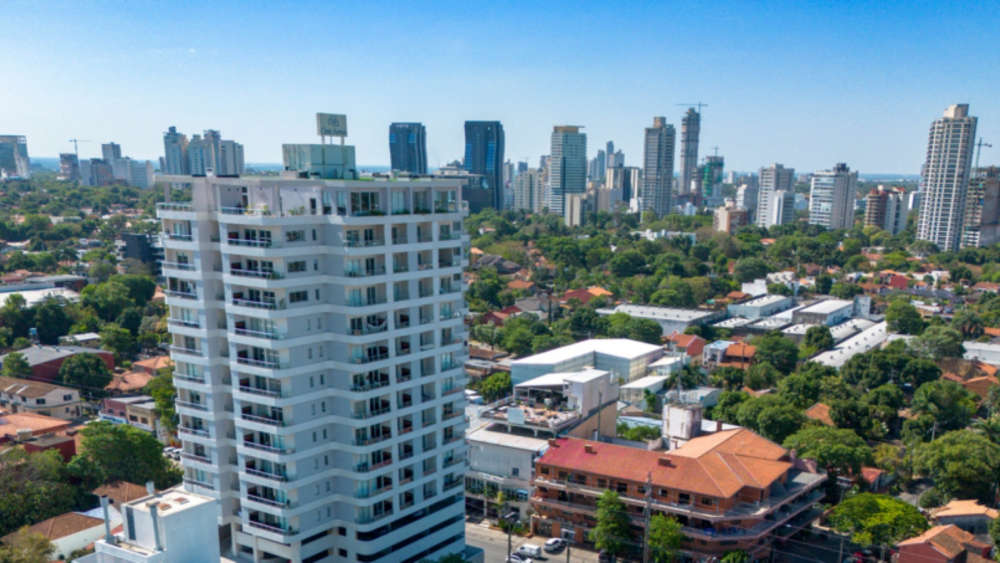
Found in Asunción, the Estadio Osvaldo Domínguez Dibb is home to Club Olimpia and was built back in 1965. With a capacity of 32,000, the recent $80 million transformation of the stadium continues ahead of the next tournament with a new upper tier, multi-level balconies and an increased capacity.
Estádio da Luz: Tournament Host - Portugal
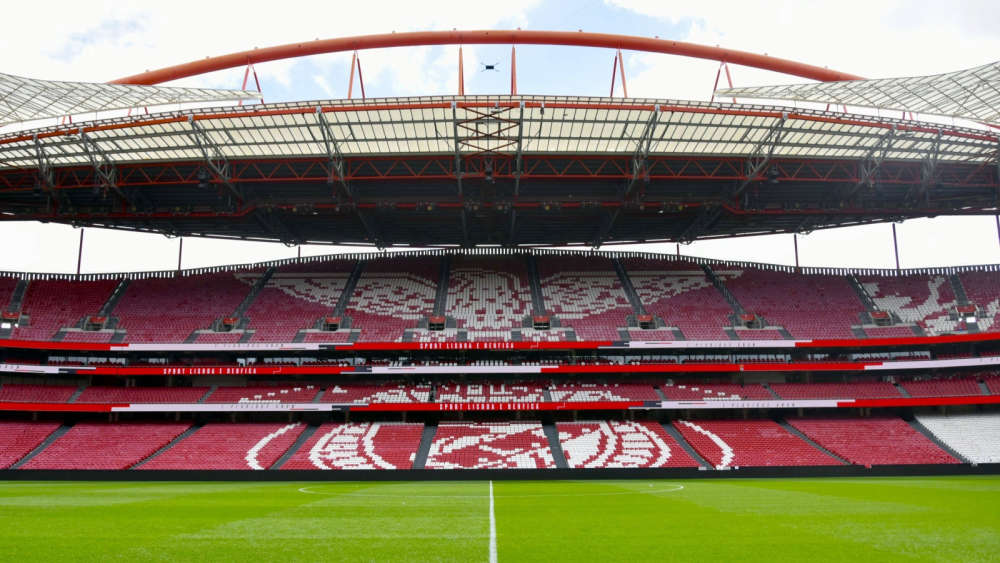
Located in Lisbon, not only is the massive 68,100-seater one of Portugal’s most iconic stadiums, but it is also home to groundbreaking technology. Built in 2003 for €160 million, it is already being renovated with a further €295 million as tradies lower the pitch, add an LED façade to the stadium and construct a new fan plaza.
Estadio Centenario: Centenary Host - Uruguay
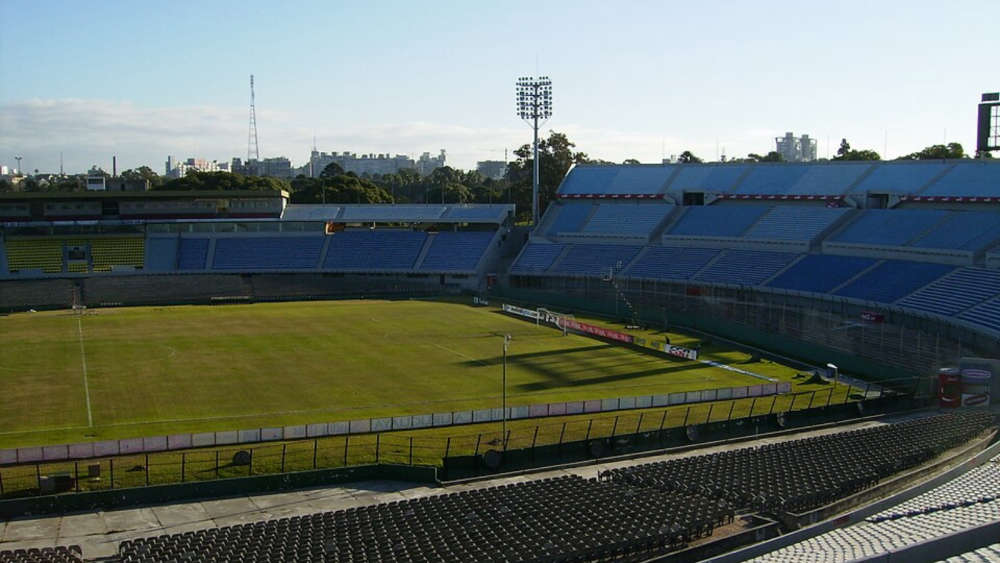
Home of Uruguay’s national team, the Estadio Centenario was constructed from 1929 to 1930 and can currently hold 79,867. Costing around $1 million at the time, this is another stadium going through a new phase of renovations with a lowered pitch, new roof system and improved fan facilities. This time it’s to the tune of $160 million.
Hassan II Stadium: Tournament Host - Morocco
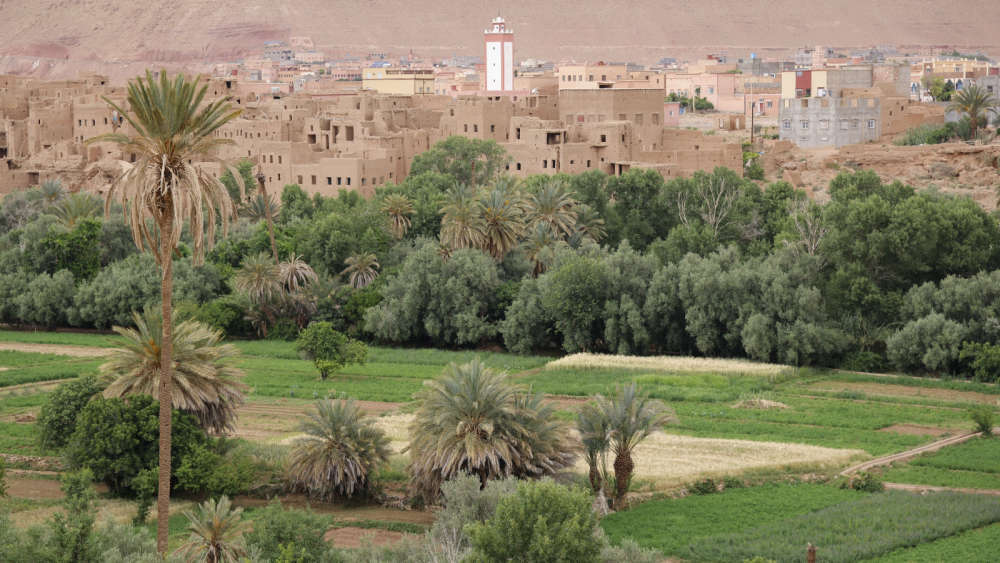
The Hassan II Stadium is still firmly in the construction phase, with the build taking place in the commune of El Mansouria, in the Benslimane Province. Thought to be finished by 2028 at the latest, the $500 million project is being touted as one of the largest football stadiums in the world. A tent top, botanical spaces and a capacity of 115,000 make this a very forward-thinking design.
With this roster of venues, the debate will continue as to who has the best stadiums in the world.


 Where Is The Traitors’ Castle?
 Everything We Know So Far About The UK’s Universal Theme Park
 Was This Famous British Author The Innovator Of The ‘Man Cave?’
 How Many Construction Roles Has Jason Statham Taken On?
 What's Happening To Britain's Breweries?












Comments
Add a comment