


Artemis II has begun a new era of space travel, one that could influence the construction industry beyond our original estimations.
Artemis II’s mission has been a resounding success, with the NASA-backed initiative providing new imagery of the moon. While all of this is in aid of encouraging further space exploration, there are genuine benefits to be felt back here on Earth, too.
Space travel has a history of driving other industries. NASA’s adoption of Velcro, for instance, made the product popular worldwide. The first portable laptop came from a need to take computer technology beyond the atmosphere. Even the prevalence of baby formula can be traced back to NASA-led research. It should therefore come as no surprise that the construction industry has become hugely influenced by the innovations of the aerospace business.
More Ambitious Aerospace Projects

In March 2026, the UK Government announced a funding package of £500 million, designed to drive national space programs forward. This is added to an already whopping £2.8 billion planned investment, which will result in major breakthroughs in the industry. Both nationally and internationally, aerospace projects are growing more ambitious and Artemis II’s trip is proof of that.
What this means is that there is now a shortage of specific labour and of specialised facilities. The construction industry is having to quickly catch up to those demands, as infrastructure becomes a major concern. Modular construction and evolving site plans have prompted flexibility, so that any facilities built can be adapted to the needs faced in the immediate future.
A Shift In Approach

With developments in aerospace, the big thinking around the construction industry also changes. There are plenty of thoughtful research papers highlighting lessons that can be taken from the space industry.
Collaboration beyond traditional boundaries, the prioritisation of smart and affordable solutions, learning from fundamental constraints and putting environmental sustainability at the heart of projects are all practical examples of what the experts are suggesting.
Changing Materials
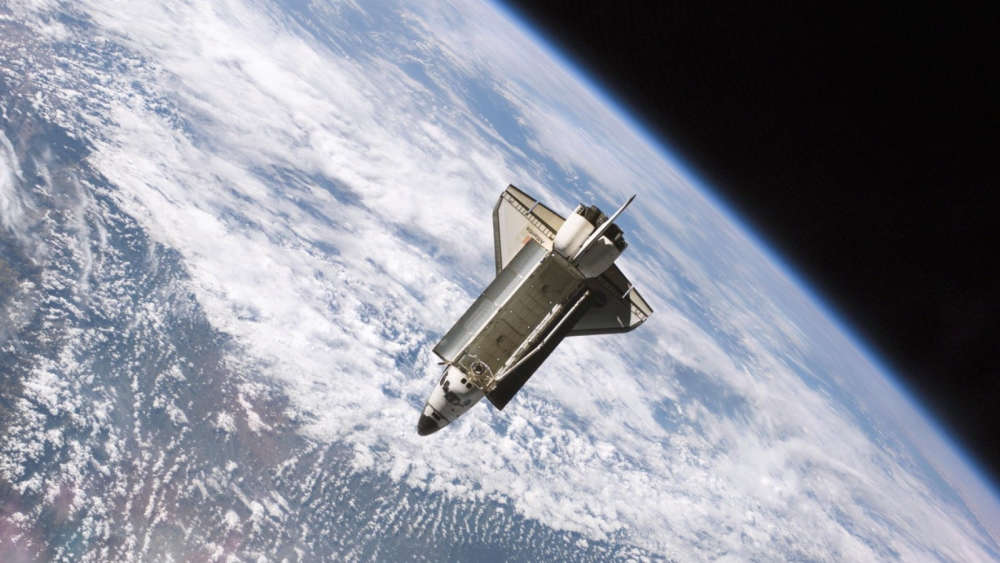
In reality, one of the major changes happening across construction is the changing use of materials, prompted by breakthroughs in aerospace. Indeed, even for space travel, bio-construction has become of significant interest. Fungi, for instance, is being used to grow habitats in space.
Meanwhile, NASA is experimenting with using lunar concrete, so that local materials are utilised rather than shipping resources from Earth. Sulfur concrete has especially been a useful alternative. Meanwhile, back on Earth, the construction industry continues to explore light-weight, high-endurance materials that are necessary for space travel and integral to the future of terrestrial construction.
Robotic Development

3D printing has already been a game-changer in construction and has been continuously driven by NASA’s own use and research. However, NASA is also pushing forward with its use of robotics, created to construct in extreme conditions, out in space.
It was NASA that played a major role in developing robotic prosthetics for humans to make use of and again, their interest in automation could bring major benefits. Improving worker safety is paramount, especially as these robotics are being designed to survive in dangerous circumstances. As construction projects move to unpredictable territories, these discoveries will be key.
The construction industry isn’t going to change overnight just because of increased investment in space travel on a global level, but the aftermath of these advancements will surely be felt down the line.


 The Many Jobs Of The Super Mario Bros.
 Robert Jenrick: How Reform UK Will Take Tool Theft “Seriously” and Get Britain Building Again




Comments
Add a comment