
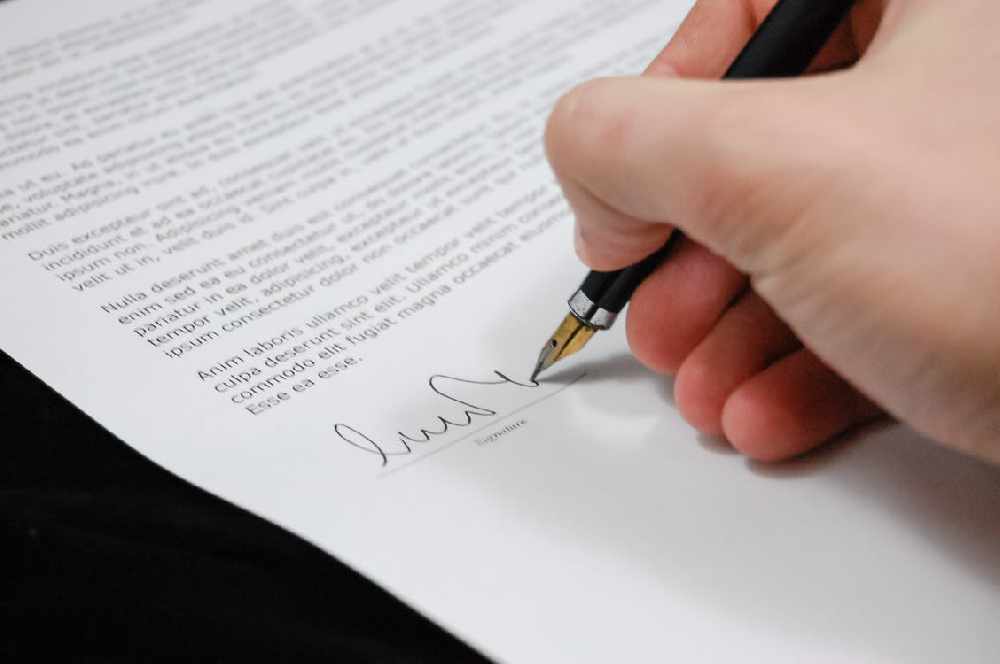
The contracts are designed to protect homeowners while helping professional building companies demonstrate their commitment to compliance and best practice
The Federation of Master Builders (FMB) has launched a refreshed suite of builder contract templates, updated in line with the Building Safety Act 2022.
The contracts, unlike others, are easy for any homeowner or builder to pick up and understand. They are free for FMB members, unlike other widely used building contracts, which are becoming more expensive.
The FMB contracts are designed to protect homeowners while helping professional building companies demonstrate their commitment to compliance and best practice.
Trust in tradespeople is more important now – more than ever – after the FMB’s License to Build campaign found that £14.3bn has been lost to rogue builders across the UK over the last five years. The contracts serve as a clear marker of professionalism, setting FMB members apart.
Research indicates that most homeowners are unaware of their legal responsibilities under the Building Safety Act 2022, including vital duty-holder roles that can influence project liability and compliance. Many do not realise that having a written contract is not just good practice but essential for protection.
Sarah Fox, FMB contract creator, said: "No one ever thinks they need a contract, until a client fails to pay, a subcontractor disputes what their role was, or there's a defect at the property. Of course, the UK building sector is awash with complex contracts that really are hard for members to read, understand and use.
“But the FMB contracts are specifically designed with members' needs front and centre - easy to fill in the details, cover everything important, and they shouldn't be off-putting for your clients or subcontractors.”
The new FMB contracts address this knowledge gap by clearly explaining who is responsible for what, in plain language. This transparency helps homeowners:
- Identify professional, trustworthy builders who operate to recognised standards
- Understand their own legal duties under current building regulations
- Avoid disputes by having clear terms agreed upfront, and clear steps to take if something does go wrong.
- Verify competence through built-in competency statements
- Protect their investment with legally robust agreements

 AUDIO NEWS: HSE plans overhaul of RIDDOR and FMB throws support behind Stress Awareness Month